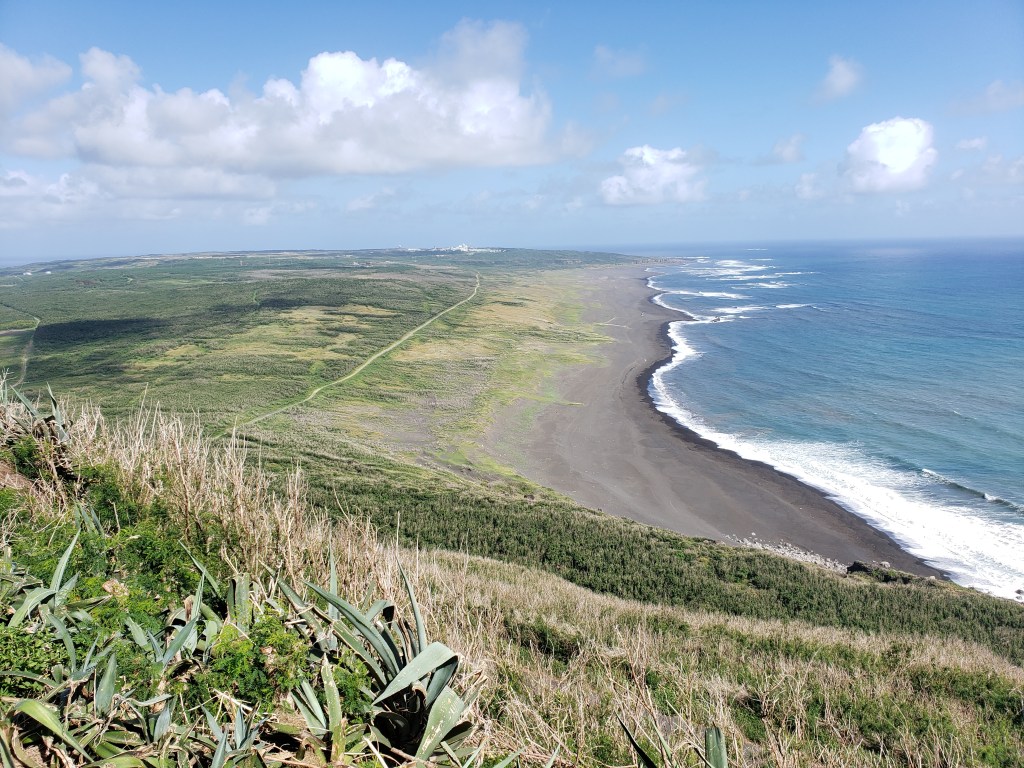
I was fortunate enough to get the opportunity to go to the island of Iwo Jima back in November 2019. Iwo Jima was host to one of the deadliest battles of the Pacific Theater of WWII. The island is around 800 miles to the South of mainland Japan, and it took us about three hours to reach from Tokyo. There is one runway on the island, and after we landed we had the rest of the day to explore. Iwo Jima is currently inhabited by a small group of Japanese military personnel that are primarily there to help maintain the airfield, as well as the radar equipment on the island. Outside of that, the island is pretty much deserted. The Japanese believe the island to be haunted or cursed, due to the fact that over 20,000 Japanese soldiers lost their lives during the battle. Overall the island is quite small (about 8 square miles) so luckily I was able to see almost the entire thing in one day. There was a dirt trail that led from the airfield, and went around the circumference of the island.
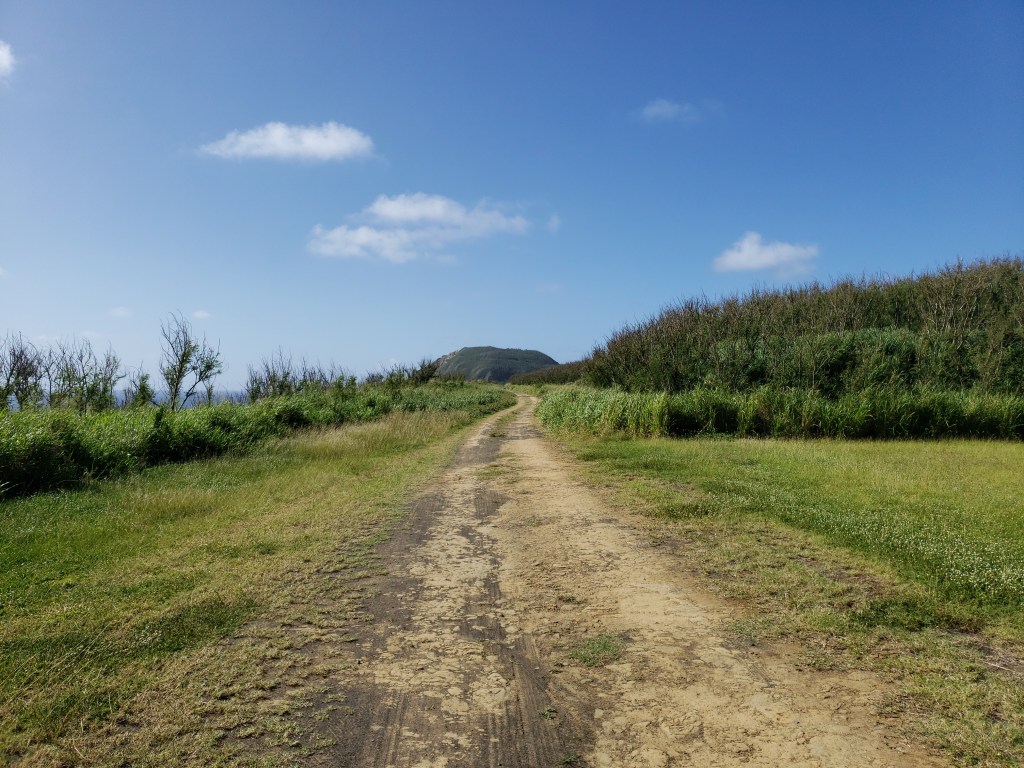
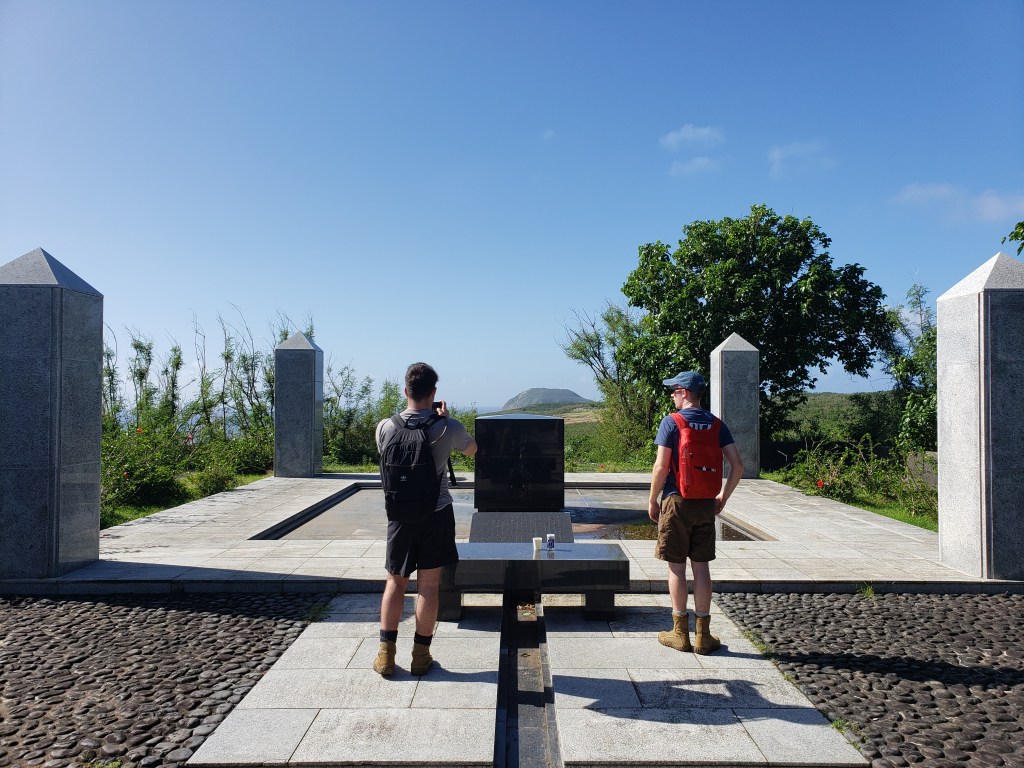
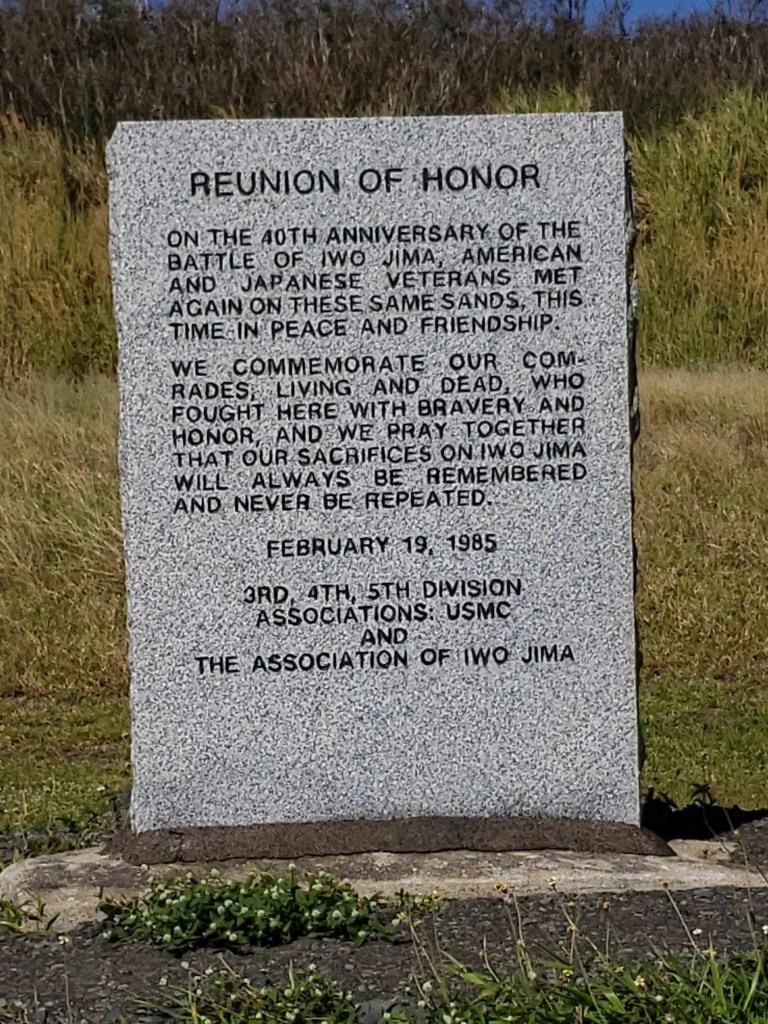
All along the trail there were different memorials and inscriptions dedicated to the men who fought and lost their lives on Iwo Jima. The underlying message from everything that I saw was one of peace, and hope that this would never happen again. The battle of Iwo Jima started 75 years ago in February of 1945. Remnants of the battle still hold strong all over the island. There are scraps of metal scattered about, abandoned bunkers, and tunnels. The beaches had lots of debris washed ashore, and as much as nature was trying to cover up the damage of war, it couldn’t.
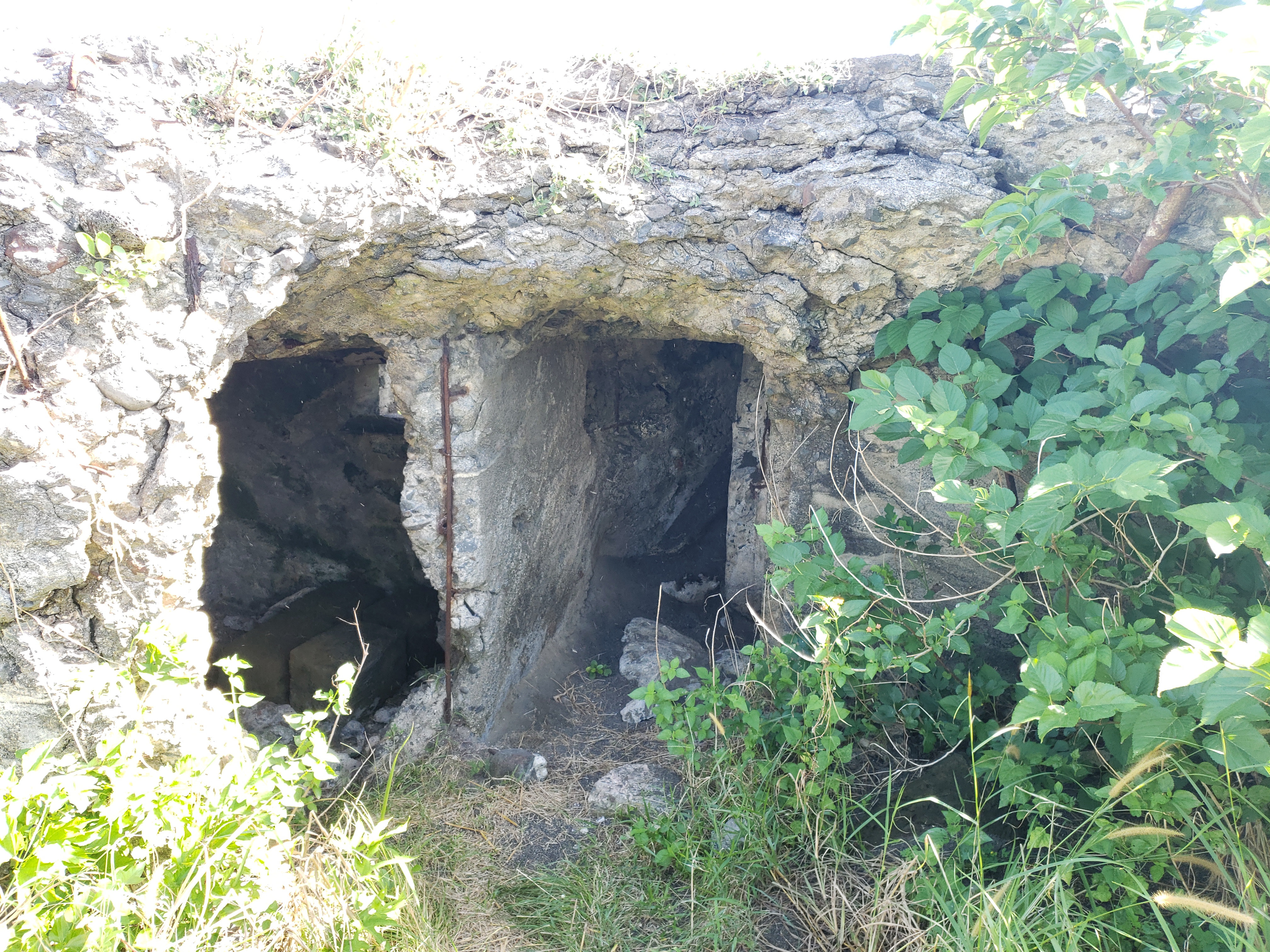
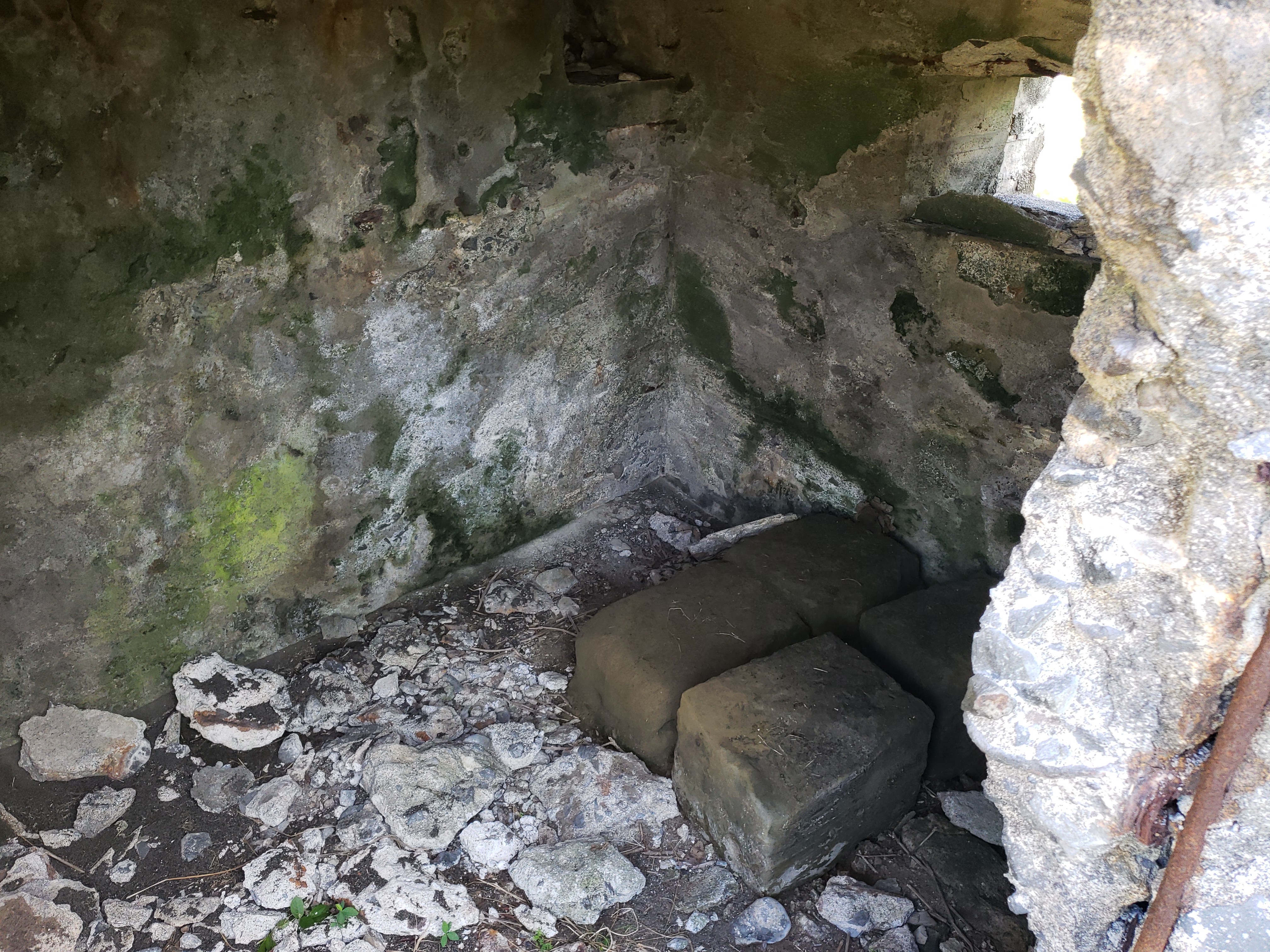
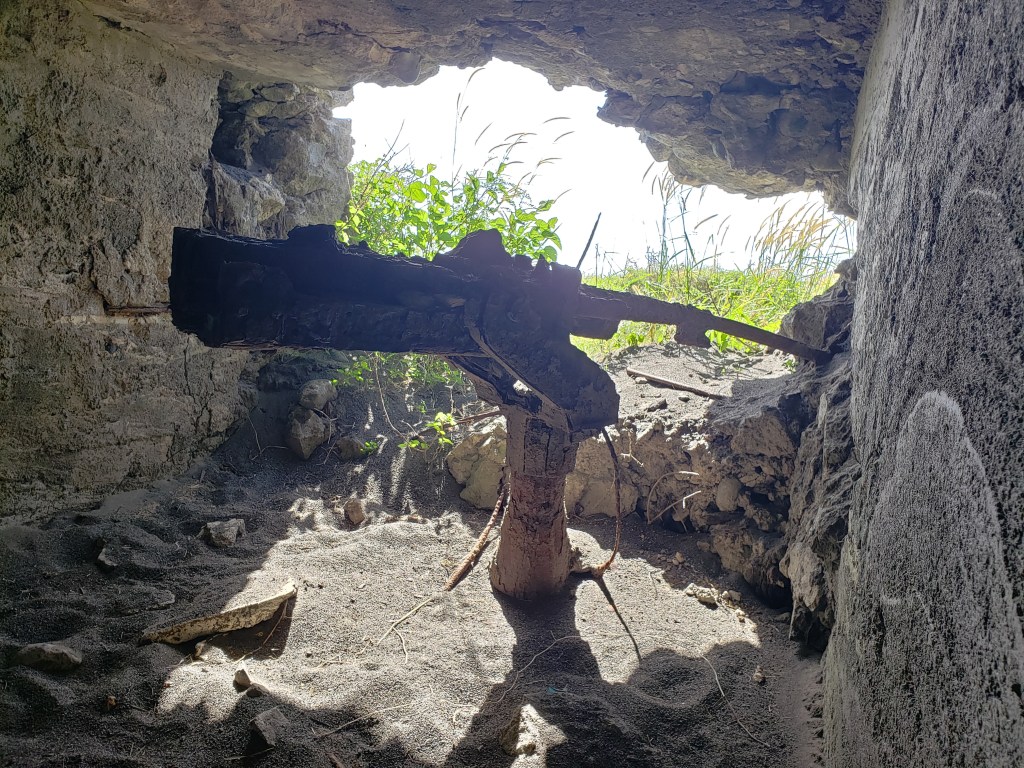
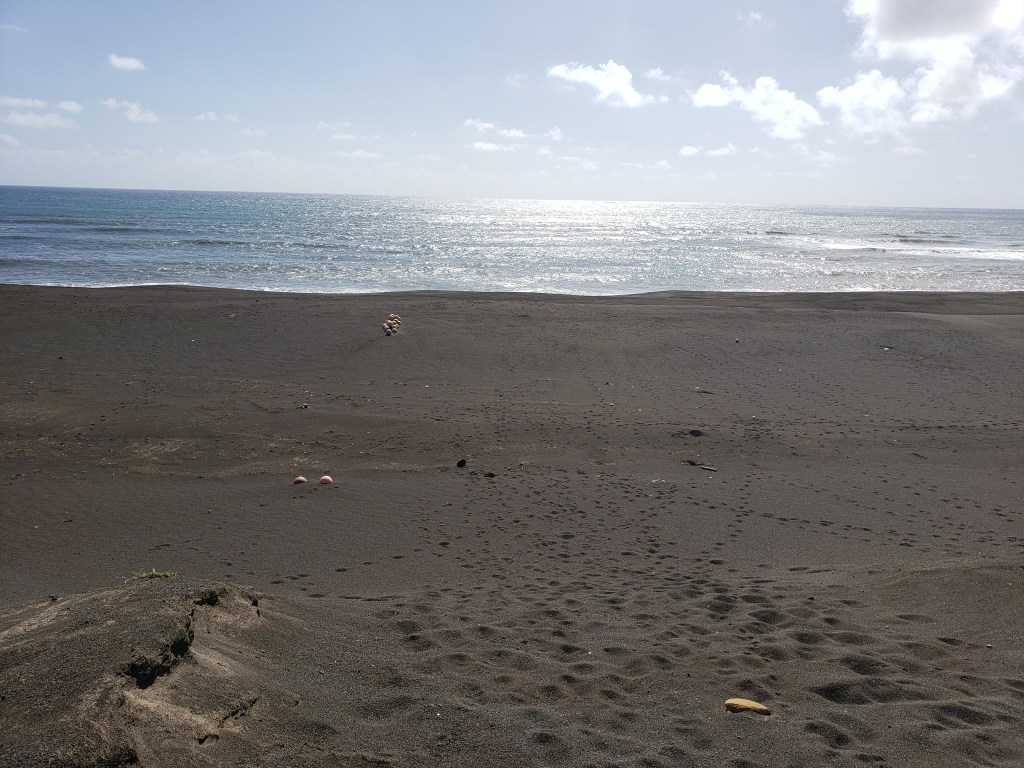
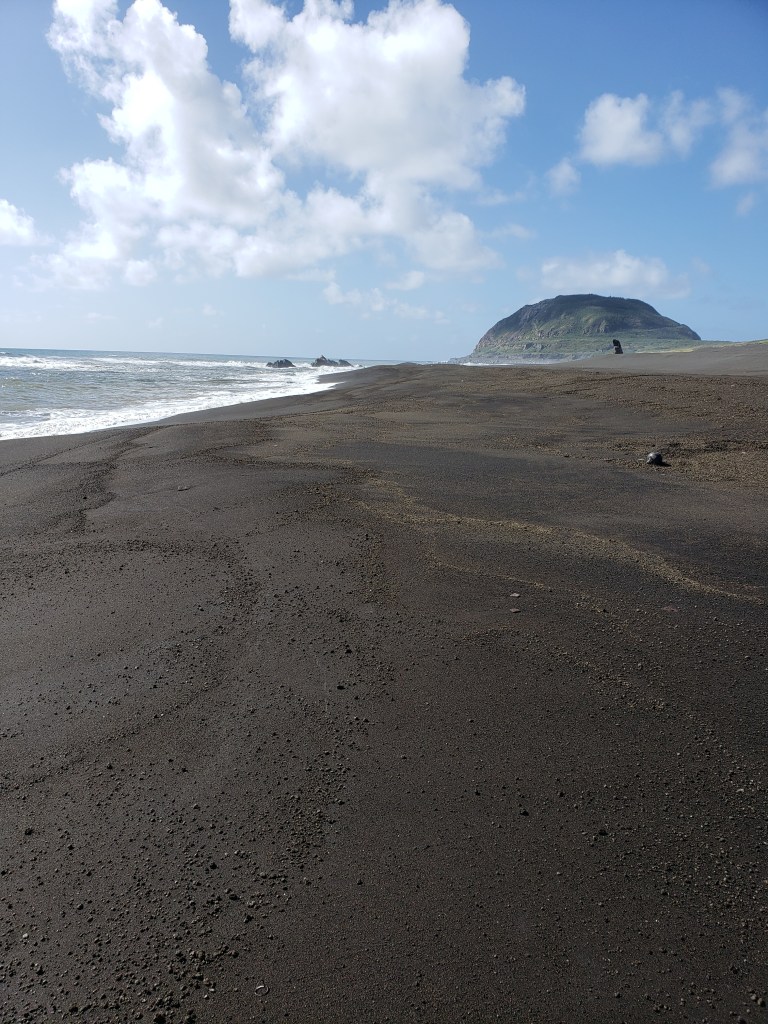
Bunkers like the one seen above were dispersed along the beaches and were used to prevent American soldiers from taking the island. About halfway from the airfield to Mt. Suribachi, we decided to make our way down to the beaches to get a closer look at the ocean. Iwo Jima is a volcanic island, and because of this it has black sand from the volcanic rock. The beach we went down on was the primary beach that the Americans landed on back in 1945. The beach was absolutely beautiful, and it was hard to imagine all of the chaos that happened right were I was walking. Thousands of brave men lost their lives here, and it was a very powerful experience to walk the same beaches they stormed so many years ago.
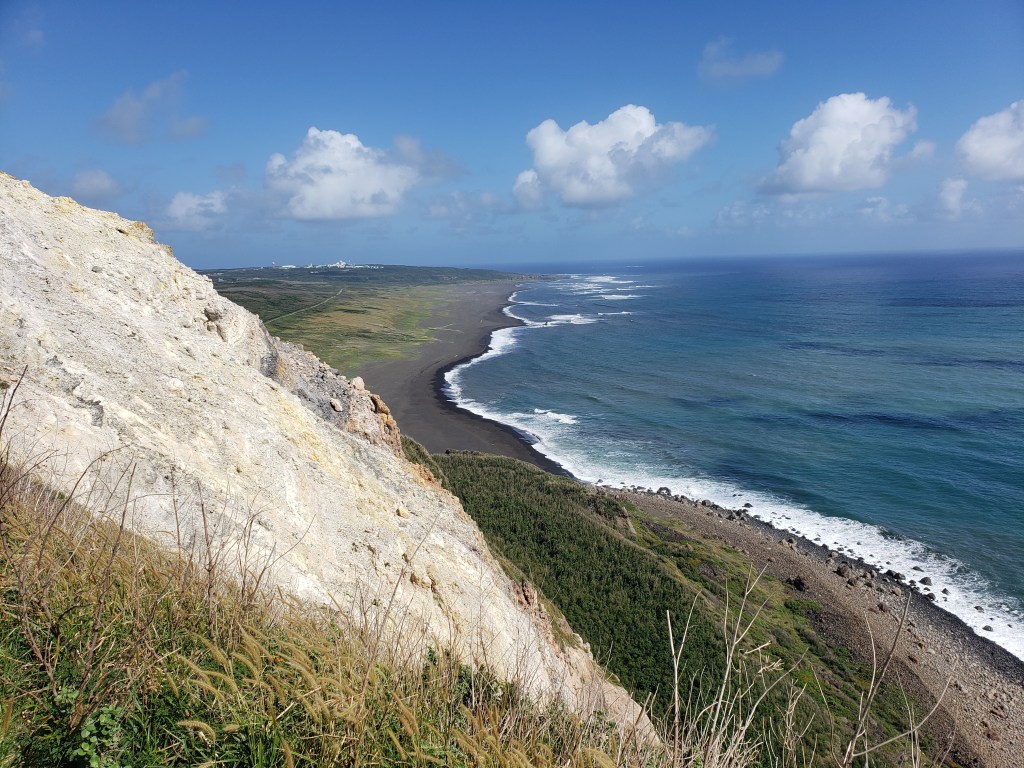
Once we made our way back to the trail, we had one goal in mind. Summit Mt. Suribachi. The mountain is the highest point on Iwo Jima standing 554 feet tall. While this might seem small, it was no easy task for the Marines to conquer back during the battle. Mt. Suribachi is steep and covered with jagged rocks and thick vegetation. Luckily for us, there was a paved path that led to the top of the mountain, as well as no one shooting at us as we climbed. The view from the top of Mt. Suribachi is the best on the island. It is possible to see the entire island from up there, and get amazing views of the beaches down below.
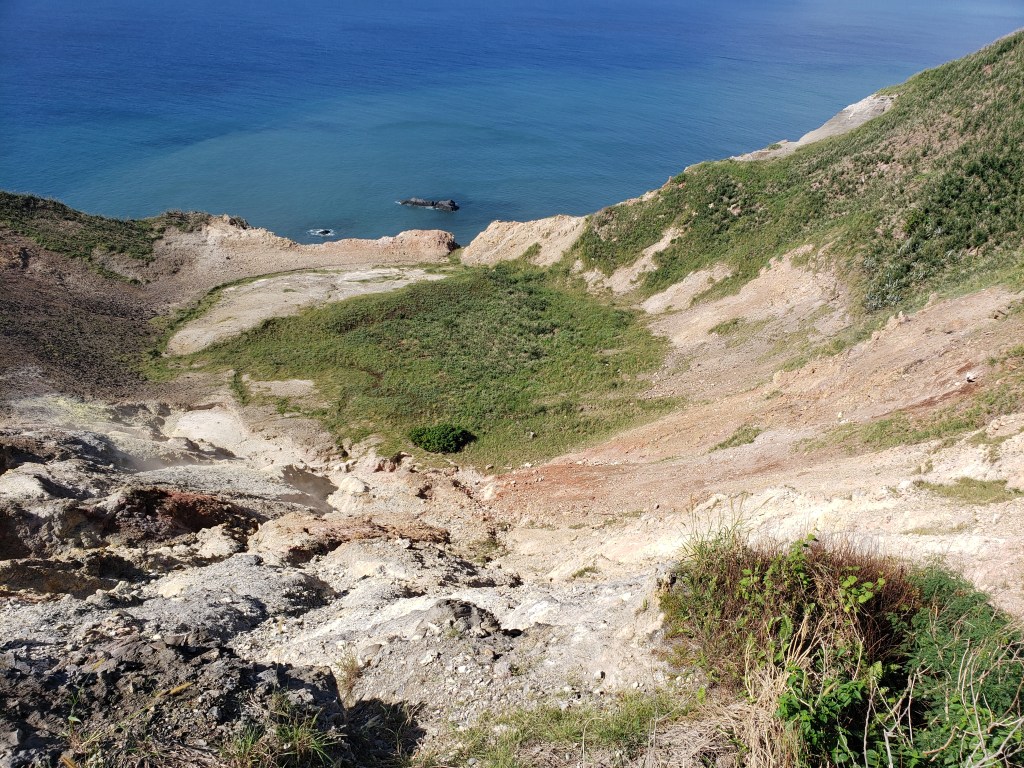
Mt. Suribachi is actually a volcano, and there was a strong smell of sulfur once you reached the top. If you continued to the backside of the mountain a crater is visible showing where the volcano had erupted before. In addition to the crater the mountain was pretty beaten up. The US Navy had blasted the mountain with artillery before the Marines landed on the island to try and weaken the Japanese defenses. Unfortunately for the US, the Japanese had devised a very intricate tunnel system all over the island that the artillery had little effect on. More on that later.
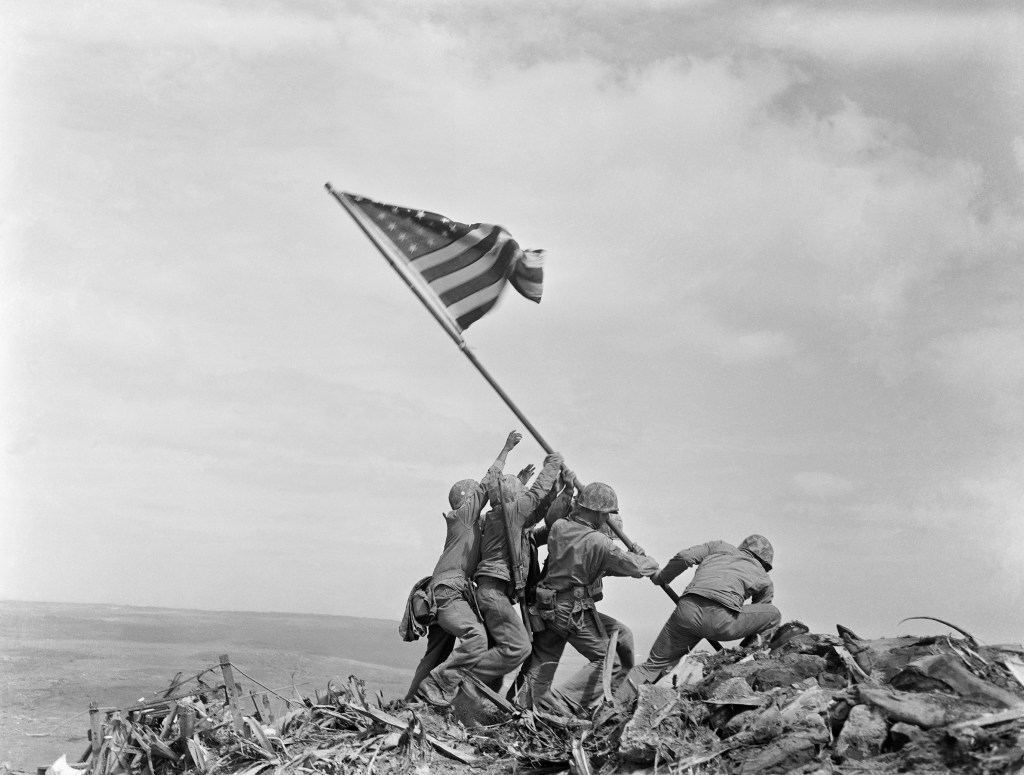
In addition to the great views, the top of Mt. Suribachi is home to several memorials honoring the brave men who lost their lives during the battle. There were separate memorials for both the Americans and Japanese, as well as a joint memorial for both parties. The American memorial was in the exact location where the American flag was famously raised at the top of the mountain.
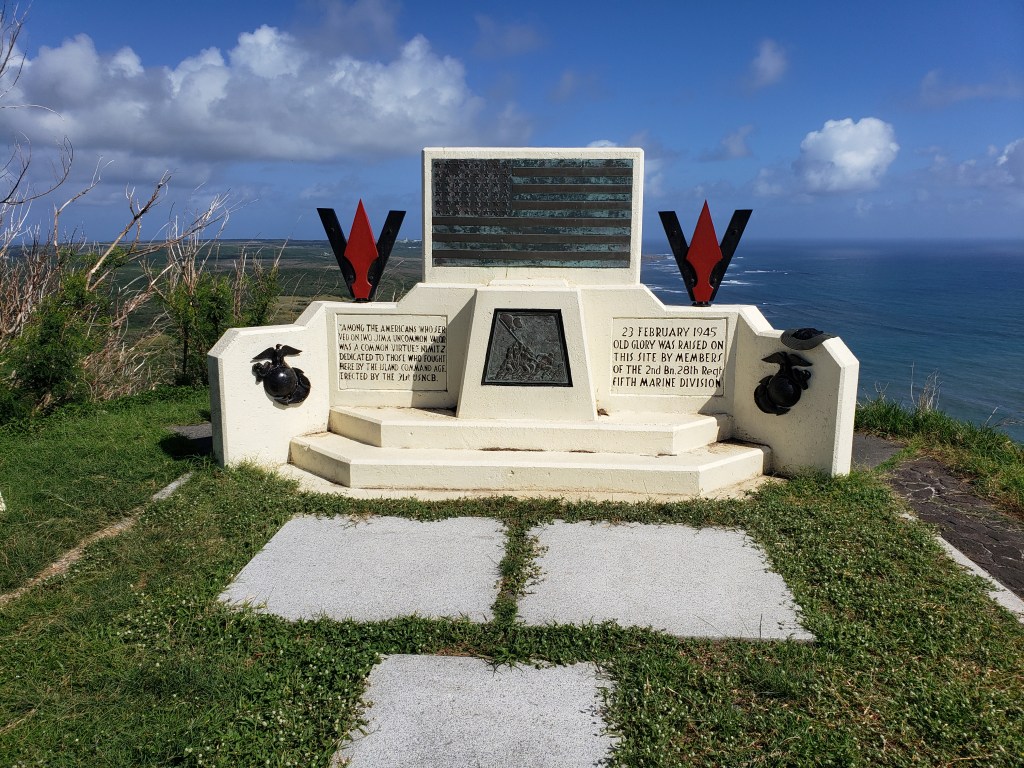
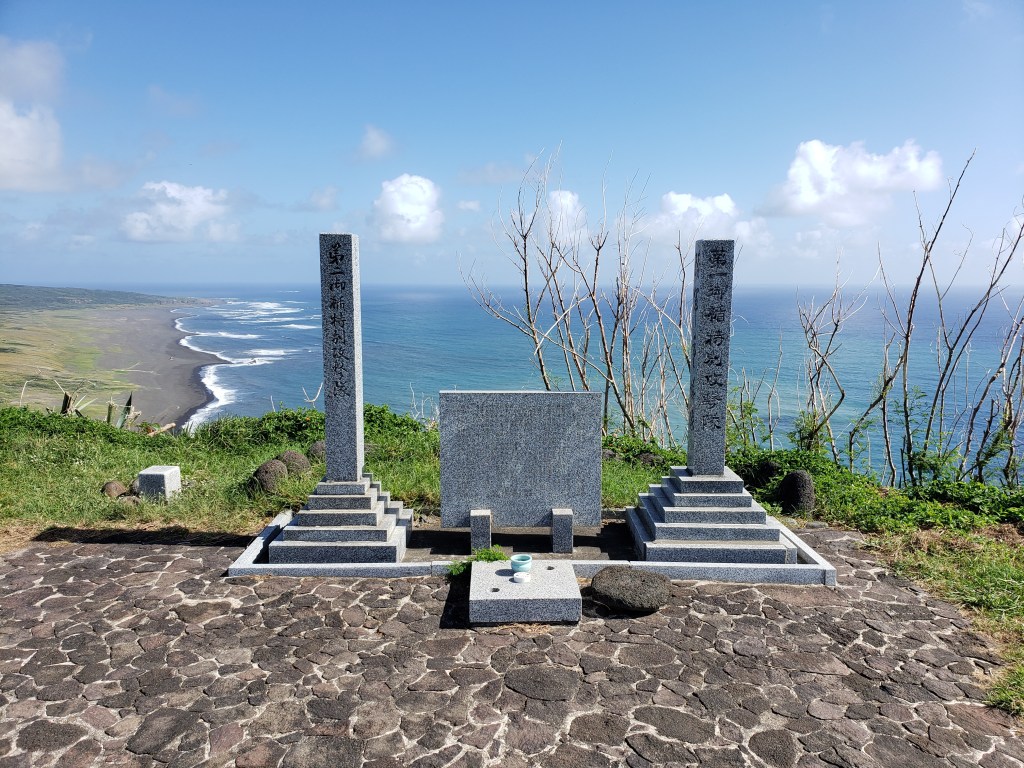
We decided to eat our packed sandwiches at the top of the mountain and take in the views for as long as we could. Once we finished our meal, we packed up and began our descent back to the base. Our next mission was to find some of the abandoned tunnels near the mountain. It didn’t take long before we came across them. The openings were all very small and we had to crouch to get inside and move about. The tunnels got very confusing very fast. There was zero light, and they twisted and turned all over the place. Additionally, it was extremely hot in the tunnels due to the fact that they are headed into a volcano, and the sun is baking down on them from above. Apparently, the Japanese soldiers were living in the tunnels to remain hidden, and sheltered from the Americans. I could not imagine living down there. It was cramped, hot, and smelled pretty terrible. There were cockroaches, crabs and spiders crawling about, and no natural light. Plus, moving around was a challenge as we had to crouch over to fit through the tunnels. Luckily we had flashlights to explore. The tunnels went all over the place and were only about 3-4 feet tall. It was an amazing experience to be able to see first hand what it was like. There were areas carved out that looked like sleeping pods, as well as wooden shelves nailed to the walls. We also found an area that went down 20-30 feet that we believe acted as a toilet.
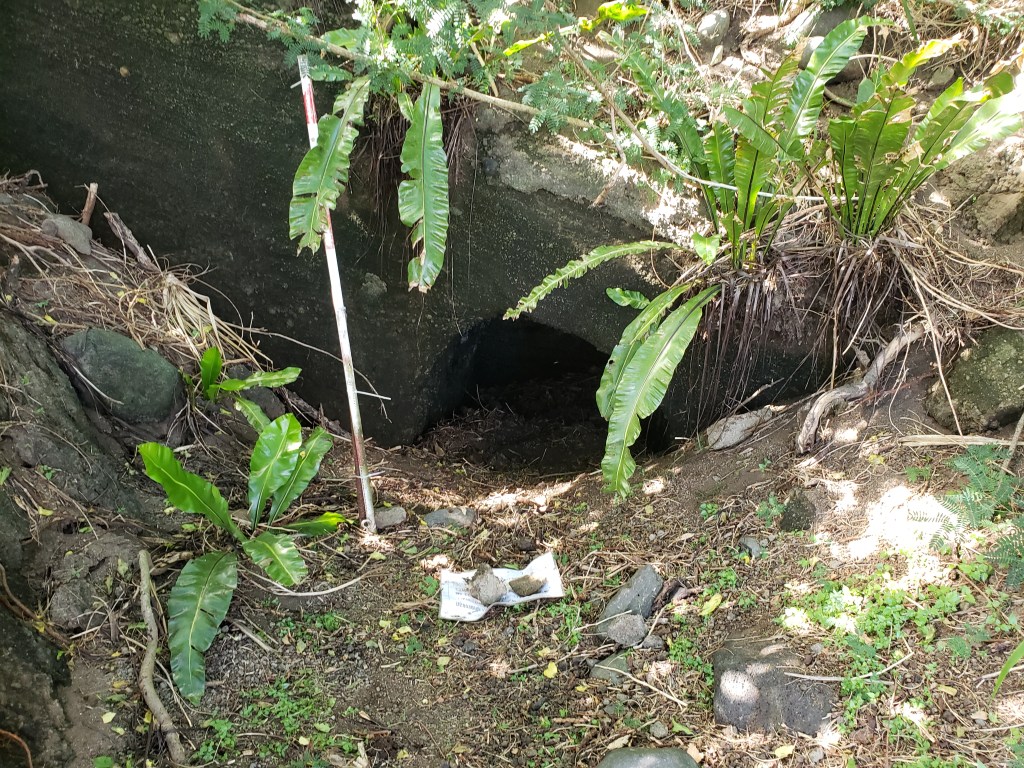

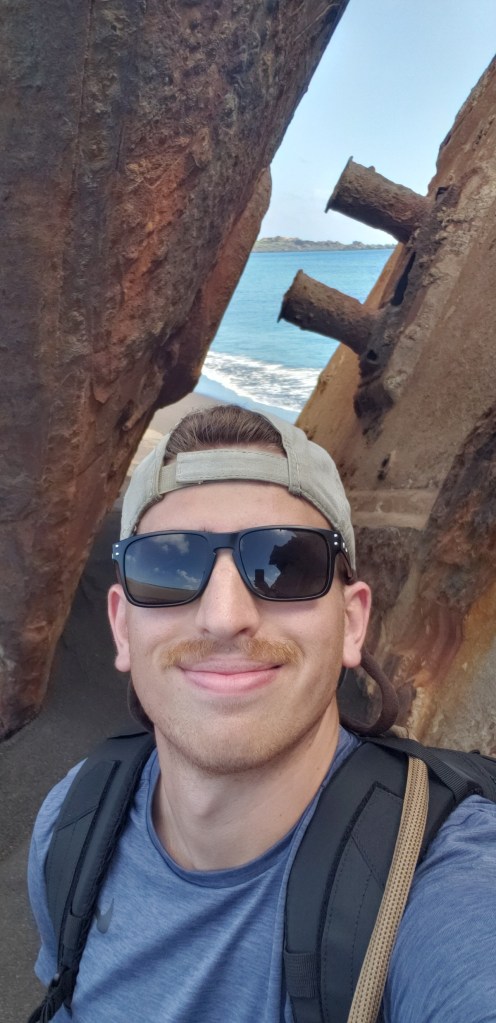
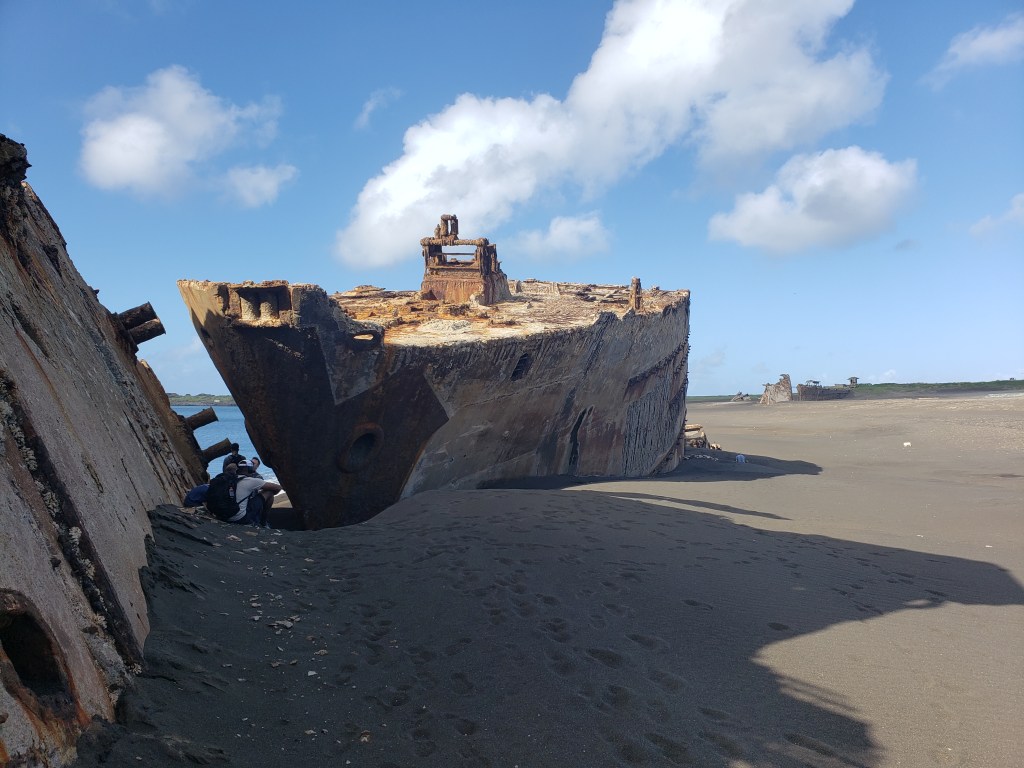
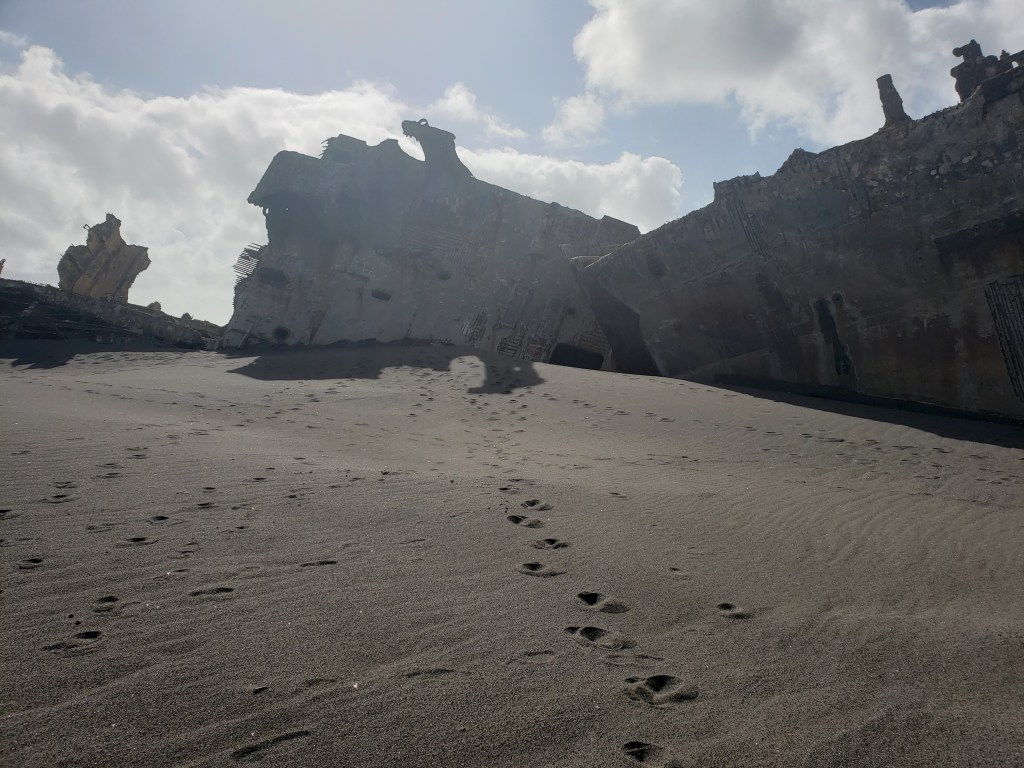
Once we had our fill with the tunnels we retraced our steps and made our way back outside. It was nice to be able to stand up and walk normal again. Our next and final site to see was the ship wrecks along the other side of the island. After the Americans took control of the island they sunk over a dozen captured Japanese transport ships on the Northern side of the island to help create a breakwater to allow for easier access to the island. Unfortunately the sunken ships ended up not really helping and now its basically a boat graveyard. It was really cool to get up close and personal with these massive ships, and it provided some really unique picture opportunities.
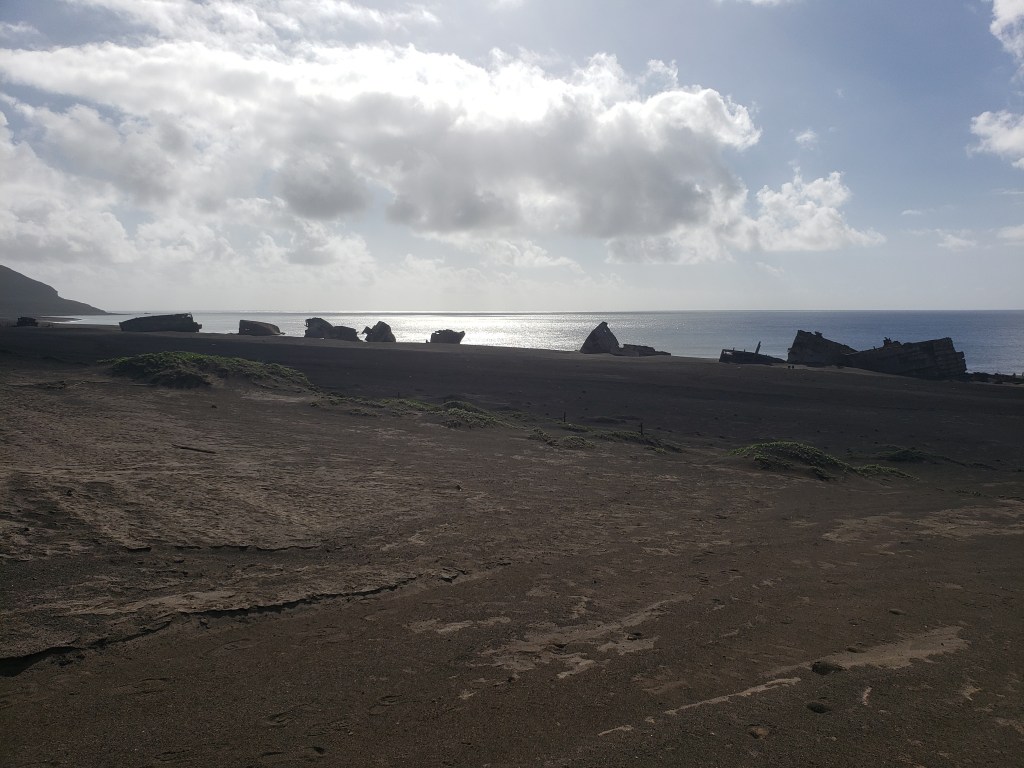
After we finished exploring around the boats it was time to head back to the airfield. It had been a long day under the hot Pacific sun, and we had walked nearly 10 miles in total. Luckily we brought lots of water and food to keep our energy levels up. All in all it was a very unique and powerful experience visiting Iwo Jima. I was thrilled to be given the opportunity to visit and explore the infamous island. Not a lot of people get the opportunity to visit Iwo Jima, and I am very blessed to have gotten to go. I hope everyone enjoys these pictures, and appreciates the sacrifice that so many men made on this island.

 FlyBoy Adventures
What a great experience! Thanks for sharing!
LikeLike